The evolution of casinos A journey through time
The Origins of Gambling
The concept of gambling dates back thousands of years, with evidence suggesting that ancient civilizations engaged in games of chance. The earliest known gambling activities can be traced to the Chinese, around 2300 BC, where dice games were commonly played. Similarly, the Romans and Greeks enjoyed betting on various games, including chariot races and gladiatorial contests, establishing a cultural significance around gambling. If you’re looking for secure transactions, consider exploring australian online casino payid options that cater to modern gaming needs.
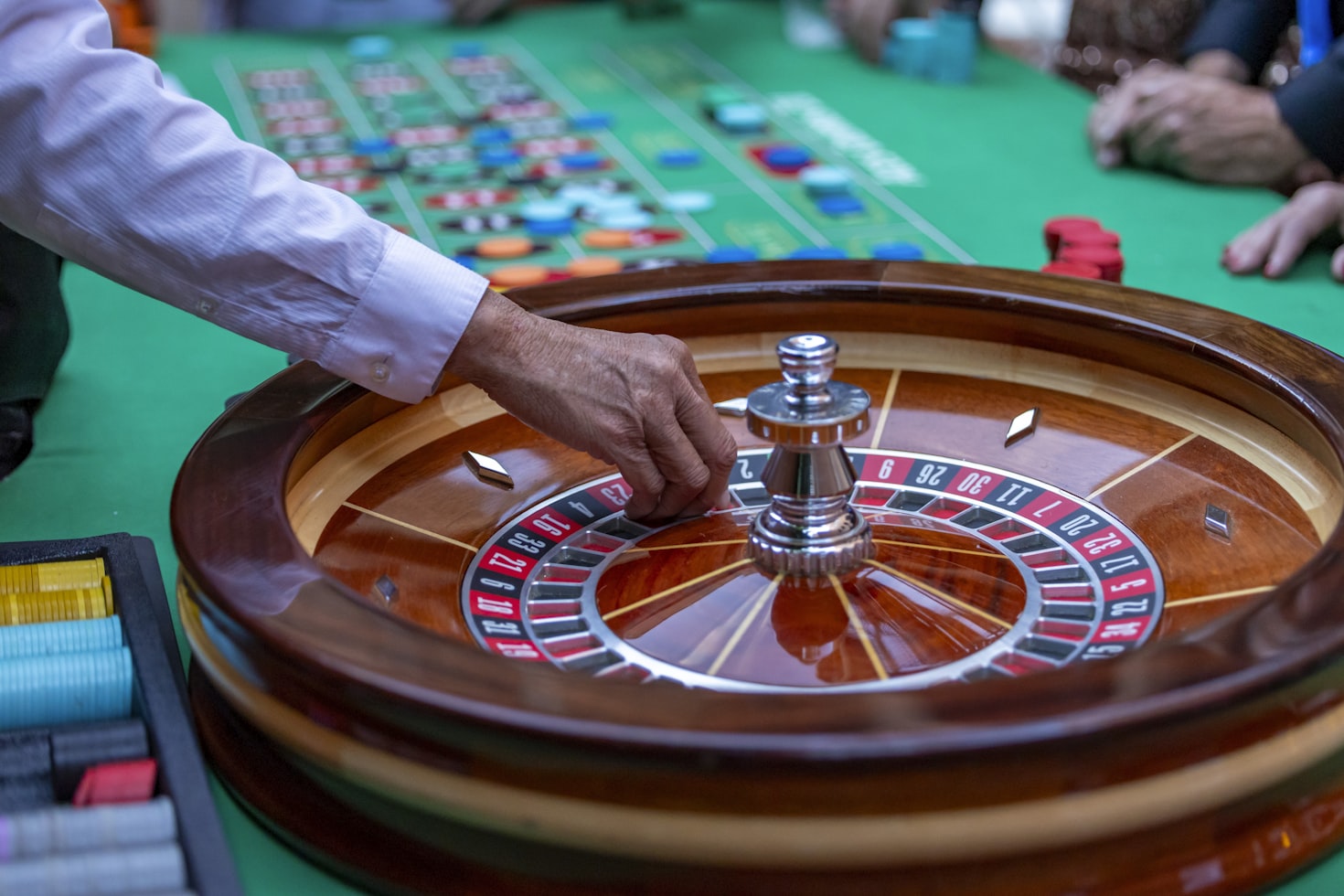
As societies evolved, so did the nature of gambling. By the Middle Ages, gambling houses began to emerge in Europe, providing a more structured environment for bettors. These establishments laid the groundwork for modern casinos, as they combined various forms of gambling under one roof, catering to a growing demand for entertainment and excitement.
The Rise of Formal Casinos
The first official casino, the Ridotto, opened its doors in Venice in 1638. Designed to regulate gambling and curb illegal activities, it offered a variety of games such as faro, baccarat, and others. This establishment marked a turning point in the evolution of casinos, as it began to set standards for future gaming houses.
In the 19th century, casinos spread across Europe, especially in countries like France and Germany. The famous Casino de Monte-Carlo in Monaco, established in 1863, became a symbol of luxury and sophistication, attracting wealthy patrons from around the world. This era cemented the casino’s place in popular culture, intertwining it with notions of glamour and high society.
The American Casino Boom
The late 19th and early 20th centuries witnessed a massive expansion of casinos in the United States. Initially, gambling was often associated with vice and was largely unregulated. However, the establishment of Las Vegas as a gambling hub during the 1930s transformed the landscape. Legalization efforts and the construction of lavish resorts created an atmosphere that appealed to tourists seeking entertainment.
The post-World War II era solidified Las Vegas’s status as the premier gambling destination. The introduction of slot machines and other gaming innovations revolutionized the industry, drawing in a broader audience. This period marked the transition of casinos from mere gambling houses to full-fledged entertainment complexes, complete with dining, shows, and more.
The Digital Transformation of Casinos
The advent of the internet in the late 20th century brought about a seismic shift in the casino industry. Online casinos began to emerge in the 1990s, allowing players to gamble from the comfort of their homes. This new format created access to a wider array of games, appealing to a diverse demographic of players.
Today, online casinos offer a comprehensive gaming experience, complete with live dealer options and mobile compatibility. The integration of technology into gambling has not only expanded the reach of casinos but has also introduced innovative features such as secure payment methods and responsible gambling tools. This digital evolution continues to shape the industry’s future.

Exploring Modern Casinos and Responsible Gambling
As casinos evolve, the importance of responsible gambling has come to the forefront. Many modern establishments emphasize the need for players to engage in gaming as a form of entertainment, not as a means to an income. This awareness has led to the development of tools and resources to help individuals manage their gambling habits effectively.
Websites dedicated to providing insights into casinos often include guidance on responsible gambling practices. They encourage players to set limits, recognize signs of problem gambling, and seek help if needed. By prioritizing the well-being of players, the gaming industry seeks to create a safe and enjoyable environment for all.